
Cannabis Seed Education
Best Cannabis Seeds for Cold Climates: Top Strains That Thrive in Low Temperatures
Nov
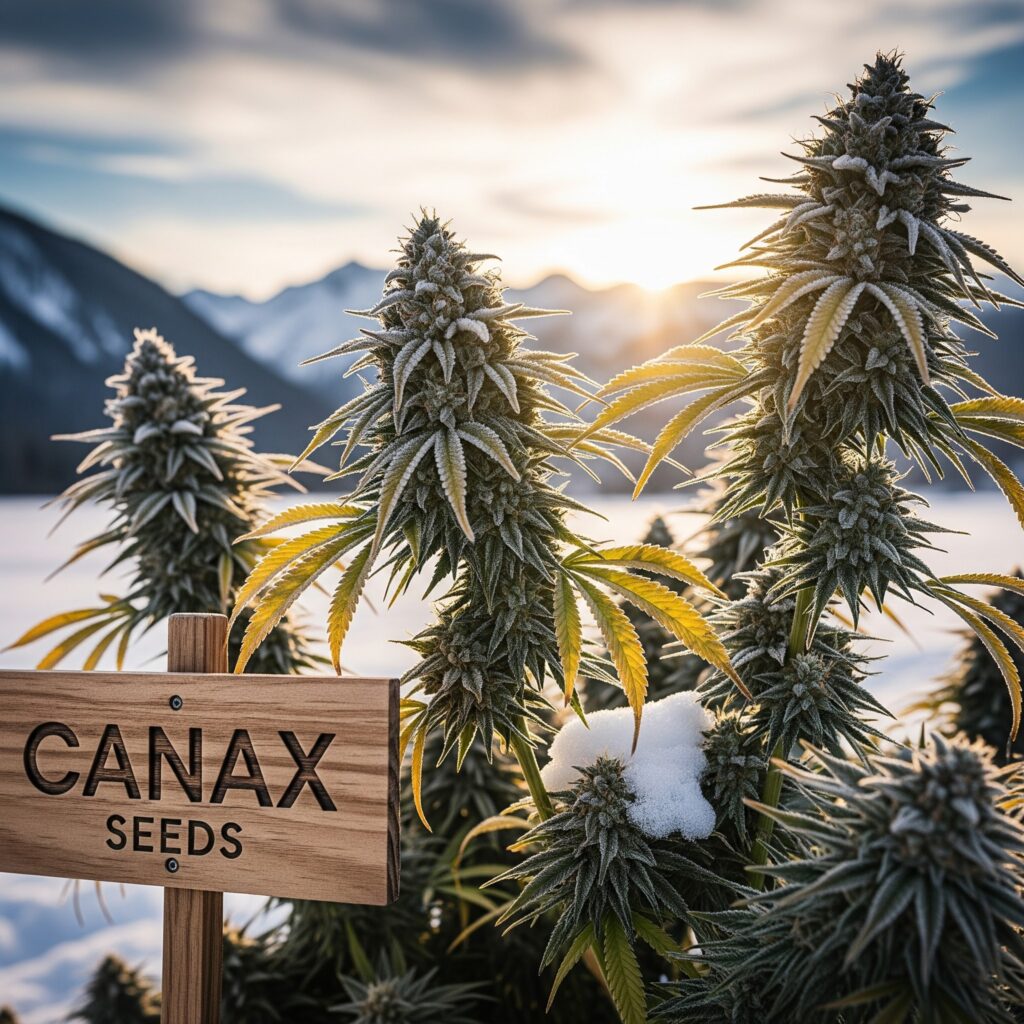
Growing cannabis outdoors in cold conditions can feel intimidating — but with the right genetics, it doesn’t have to be. Growers across Canada, the northern U.S., and colder European regions often face short summers, chilly nights, and unpredictable weather. The good news: some cannabis strains are naturally built to handle the cold.
This guide covers the best cannabis seeds for cold climates, how to choose weather-resistant genetics, and the grow techniques that help plants thrive outdoors even when temperatures drop.
Why Cold-Climate Cannabis Strains Matter
Not all cannabis strains respond well to cold. Some grow slowly, become mold-prone, or experience stress. Cold-climate strains excel because they offer:
-
Short flowering times
-
Strong mold resistance
-
Durability in wet and cold environments
-
Thick stems and hardy plant structure
-
Resistance to pests, mildew, and humidity swings
These traits allow growers in northern regions to cultivate outdoors confidently, without fear of plants stalling or dying early.
Key Traits of Cannabis Seeds That Perform Well in Cold Climates
1. Fast Flowering Time
Short summers require strains that finish in 7–9 weeks to avoid early fall frost.
2. Mold and Mildew Resistance
Cold climates bring moisture — which can lead to bud rot. Mold-resistant genetics are essential for outdoor success.
3. Ruderalis or Northern-Origin Genetics
Genetics from Canada, Siberia, Northern Europe, Pakistan, or Afghanistan naturally tolerate cold nights and harsh conditions.
4. Strong, Compact Structure
Compact, indica-dominant plants handle wind and fluctuating temperatures better than tall, narrow sativas.
5. Autoflower Options
Autoflower seeds are excellent for cold regions because they finish quickly — often before the weather turns.
Top 7 Best Cannabis Seeds for Cold Climates
These strains consistently perform well in Canada, northern USA, northern Europe, and mountainous environments. Each tolerates temperature drops, humidity swings, and short summers.
1. Northern Lights
Type: Indica-dominant
Flowering Time: 7–9 weeks
Why It Thrives in Cold:
Northern Lights is famous for its hardy structure and mold resistance. It handles cold nights extremely well and produces dense, resin-coated buds even in imperfect climates.
Effects: Relaxing, soothing, calming
2. Afghan Kush
Type: Pure Indica
Flowering Time: 7–8 weeks
Cold Rating: ★★★★★
Originating in the Hindu Kush mountains, Afghan Kush evolved in cold, windy, high-altitude environments. One of the toughest strains available for outdoor growers.
Effects: Heavy body relaxation, sleepy, calming
3. Auto Blue Cheese
Type: Autoflower
Total Life Cycle: 9–10 weeks
Cold Rating: ★★★★☆
Auto Blue Cheese resists humidity and temperature swings well, making it a great autoflower option for cold environments.
Effects: Sweet, creamy, euphoric
4. Early Skunk
Type: Hybrid
Flowering Time: 7–8 weeks
Early Skunk was bred specifically for northern climates. Its exceptional mold resistance makes it ideal for cold, humid regions.
Effects: Uplifting, balanced, social
5. White Widow
Type: Hybrid
Flowering Time: 8–9 weeks
Cold Rating: ★★★★☆
White Widow’s thick resin coating protects against moisture and cold. Reliable, durable, and very forgiving outdoors.
Effects: Energetic, clear-headed, focused
6. Auto Jack Herer
Type: Autoflower
Grow Time: 9–10 weeks
Auto Jack Herer grows vigorously in cooler climates and finishes quickly, making it a safe choice where frost arrives early.
Effects: Creative, uplifting, energetic
7. Critical Mass
Type: Indica
Flowering Time: 7–8 weeks
Critical Mass handles cool temperatures and moisture impressively well. Its rapid flowering window helps growers beat the end-of-summer frost.
Effects: Heavy, relaxing, body-focused
Tips for Growing Cannabis Successfully in Cold Climates
1. Start Indoors Early
A 2–4 week indoor start gives plants enough strength to handle chilly outdoor nights.
2. Use Autoflowers for Short Summers
Autoflowers complete their cycle in 9–11 weeks, making them ideal for:
-
Short summers
-
Unpredictable weather
-
High-latitude regions
You can even stagger multiple harvests if time allows.
3. Choose South-Facing Planting Areas
South-facing spots receive the most sunlight and warmth — critical advantages in cold climates.
4. Use Fabric Pots for Root Protection
Fabric pots regulate root temperature and drain well, reducing the risk of cold shock and mold.
5. Keep Plants Dry to Prevent Mold
Cold climates make moisture the #1 enemy. Use:
-
Greenhouse covers
-
Simple rain shelters
-
Proper spacing
-
Good airflow
Preventing mold is more important than fighting the cold.
6. Harvest Before the First Frost
Even cold-resistant strains cannot handle frost. Trichomes become damaged when exposed to freezing temperatures.
FAQ: Growing Cannabis in Cold Weather
Can cannabis survive freezing temperatures?
Most strains cannot. Cold-tolerant genetics handle chilly nights, but frost below 5°C (41°F) can cause trichome damage.
Are indica strains better for cold climates?
Yes. Indica genetics from mountainous regions are naturally adapted to lower temperatures.
Do cold climates affect potency?
Not negatively. Cold often increases trichome production, leading to frostier, more potent buds.
Final Thoughts: Cold Climates Don’t Have to Limit Your Grow
With the right genetics and cold-weather strategies, growing cannabis in cooler regions is absolutely achievable. Strains like Northern Lights, Afghan Kush, Early Skunk, and White Widow remain top choices for growers combating short summers and cold nights.
Choose fast-flowering, mold-resistant strains and protect plants from moisture and frost — and you can achieve impressive outdoor harvests even in challenging climates.
